Author: admin

  • ReelShort Videos Online Free Cost and Plans

    Basic Questions

    Short drama apps follow one simple model. What you watch are bite-size vertical episodes. The first handful are free. Later ones cost coins or a pass. Most of the confusion begins with that split. Begin with the five answers below.

    What counts as a short drama app?

    It streams vertical video made for phones. Each series arrives as many tiny episodes. ReelShort, DramaBox, ShortMax and My Drama are the leaders. Storylines tend to favor billionaires, revenge and hidden-identity reveals. Werewolf romances are likewise popular. Originally, the format emerged in China as duanju.

    How long does each episode run?

    Most clock in at one reel short drama to two minutes. 60 to 100 seconds is a common target for Western productions. A series usually spans 20 to 100 episodes. For Married at First Sight, ReelShort lists 90. The hit Double Life series on ReelShort lists 60. A full series can match a movie in length.

    Why do episodes stop right at cliffhangers?

    That is usually where free episodes end. According to ReelShort, its first 5 to 15 are usually free. 8 to 10 is the figure given in industry reporting. The lock tends to arrive right at peak suspense. The business model rests on that timing. Viewers also list it among their top complaints.

    Who owns ReelShort, DramaBox and My Drama?

    ReelShort is owned by Crazy Maple Studio based in Sunnyvale, California. China’s COL Group backs that studio. Singapore’s StoryMatrix, part of Beijing Dianzhong Technology, runs DramaBox. My Drama is a Holywater product, and the company was founded in Kyiv in 2020. An equity stake went to Fox Entertainment in October 2025. ReelShort launched in 2022, and DramaBox followed in 2023.

    Is it possible to watch in a browser or on TV?

    Yes, though there are limits. On ReelShort’s website, you can sign in with Google, Facebook, Apple, TikTok or email. Your viewing progress syncs with the app. Free unlocks are available only in the app. My Drama is available on Apple TV via its own app. We came across no verified ReelShort TV app at all.

    What It Costs

    Money questions get asked most often. All figures are US App Store prices as of September 2026. These prices differ by country, platform and promotion. Each number is best read as approximate. Always look at the pricing screen first. Here is what the listings show.

    Is ReelShort free to watch?

    Partly, and the free part is genuine. People searching “is reel short free” or “is reel short app free” want to know the catch. Opening episodes come free. Downloading costs nothing. Coins or a VIP pass are needed for the later ones. Ads and check-ins earn free coins.

    How do coins actually work?

    Coins serve as the currency that unlocks episodes. ReelShort’s blog puts an episode at about 60 coins. Its smallest pack offers 500 coins for roughly $4.99. Bonus coins are added to bigger packs. One rewarded ad opens two episodes. You earn 100+ coins with a 7-day check-in streak.

    Do coins expire?

    It depends on the app. Free reward coins usually expire, says ReelShort. Coins you bought do not. My Drama operates differently. Under its terms, coins are forfeited after 12 months of inactivity. Keep active and spend reward coins first.

    What is the price of a weekly pass?

    About $19.99 a week is the usual US price. It is listed by ReelShort, ShortMax, DramaWave, GoodShort and My Drama. Some apps list cheaper options. ShortMax lists a $9.99 tier, and GoodShort’s pricing starts near $5.99. Each of these passes renews automatically. Four weeks you forget about cost four times as much.

    Are there monthly or yearly plans?

    Some apps do offer them. ReelShort’s blog lists a yearly plan at about $199.99. The monthly price varies from page to page. So that figure remains unconfirmed. Roughly $36.99 a month is what DramaWave lists. In the US, ShortMax shows only weekly passes.

    Can I watch for free, without paying?

    Yes, as long as you are patient. To begin, watch each series’ free opening episodes. Watch rewarded ads to open up more. Don’t break your daily check-in streak. ReelShort’s official YouTube, TikTok and Dailymotion channels are another option. All four combined go furthest.

    Subscriptions and How to Cancel

    Until you stop them, weekly passes keep renewing. That catches out plenty of people. Cancelling takes little time once you know where. The right place depends on how you paid. Purchases made in a store are cancelled by that store. The company handles purchases made on its website.

    Will deleting the app cancel my subscription?

    No, and plenty of people make this mistake. Apple makes clear that removing an app does not end its subscription. The same goes for uninstalling, according to Google. That warning is repeated in My Drama’s terms. Your pass keeps renewing until you cancel it. Cancel first, and then delete.

    How do I cancel on iPhone?

    Open the Settings app to begin. Tap on your name at the top. After that, select Subscriptions. Tap the short drama app. Tap Cancel and then confirm it. To be on the safe side, act a day before renewal.

    How do I cancel on Android?

    First, open the Google Play Store app. Find your Subscriptions list. There, select the short drama app. Tap Cancel and work through the prompts. Remember that uninstalling does not cancel anything. To verify the change, recheck the list.

    Is it possible to cancel inside the app?

    Sometimes, but going through the store is safer. ShortMax’s terms describe an in-app option under About Subscription. They direct store buyers to App Store or Google Play. Apple and Google can only control what they billed. Website buyers should contact the company. Screenshot every cancellation.

    Why was I charged once a free trial ended?

    The wording of trials can confuse. ShortMax’s developer acknowledges its “free trial” and “24 hours free” labels confused people. Under its terms, passes renew 24 hours before expiry. The renewal is charged at the same price. One day before any trial ends, cancel. After that, confirm the store shows it cancelled.

    Refunds and Money Back

    The refund route depends on who took your money. Play charges are handled by Google. Apple handles App Store charges. The companies handle their own website charges. None of these routes guarantees a refund. This table lays out every path.

    Where you paid How to cancel Refund path Things to watch
    iPhone (App Store) Settings, your name, Subscriptions, Cancel Apple’s Report a Problem site Deleting the app does not cancel it
    Android (Google Play) Google Play, Subscriptions, Cancel Google within 48 hours, then the developer Uninstalling alone does not cancel
    Website The app company’s account or support Only the app company Frequently non-refundable, per My Drama’s terms

    How can I get an Apple refund?

    Start at Apple’s Report a Problem page. Sign in with the Apple ID that paid. Choose the charge, then explain briefly. Apple’s reply usually comes within 24 to 48 hours. The decision is Apple’s, not the app developer’s. Cancel the pass as well, or it renews.

    How do refunds work on Google Play?

    What matters most here is timing. Google says you may get a refund within 48 hours of purchase. Go directly through Google Play to request it. Once that window passes, contact the developer. ReelShort tells users to go to Profile, then Feedback. If a renewal surprises you, act quickly.

    What about buying on the website?

    Those are dealt with by the app company. Neither Apple nor Google can help there. My Drama’s terms label web purchases non-refundable except where law requires. Its terms give a 14-day withdrawal right to EU and UK users. Other companies’ rules are their own. Check the terms before paying online.

    Is it possible to refund unused coins?

    Usually not, and that is in the terms. My Drama’s terms treat coin purchases as final. ShortMax declines refunds unless its own fault makes a product unusable. For accidental buys, store requests may help. Until a series hooks you, stick to the smallest pack. Mistakes then cost less.

    Look-Alike Apps and Safety

    Confusion over names is everywhere here. Misspellings point to minor unrelated apps. A few downloads are not safe. Certain sites imitate well-known brands. Your money is protected by using real names. These answers tell real from fake.

    Is Real Short a real app?

    No, we could not find one. ReelShort is the correct spelling, and Real Short is a misspelling of it. That applies to “real short app”, “realshot”, “reel shot” and probably “shot shorts” too. The real name is written as one word. New Leaf Publishing is its App Store seller. Make sure of that before downloading.

    What exactly are ReelBox, DailyShort and GoldShort TV?

    They are minor, unrelated apps. ReelBox, found through “reel box” or “reelbox tv”, has 50K+ Android installs. It has no connection to ReelShort or DramaBox. DailyShort, which people often type as “daily short”, has 100K+ installs. GoldShort TV is an app for Android TV with 10K+ installs. Most people searching probably mean GoodShort.

    Is ShortTV the same as ShortMax?

    Very likely, though not confirmed. The legal entity behind ShortMax is SHORTTV LIMITED in Hong Kong. Visitors to its website are redirected to ShortTV’s site. Both apps arrived in September 2023. We found no official rename announcement. A search for “short tv” or “short max” also surfaces unrelated apps.

    Are mod APKs and coin generators safe to use?

    No, and not one is official. Mod APKs are modified app copies from outside official stores. One DramaBox look-alike labels its download as an unofficial modified version. Coin generators are also unofficial. There is no way for you to verify what they do. Stick to the official stores and websites.

    Why does ReelShort have a low rating on Trustpilot?

    From 250 reviews, ReelShort’s Trustpilot page shows 1.3 out of 5. Reviewers frequently complain about charges after cancelling. Weekly auto-renewals get mentioned often. Others bring up coin prices and refused refunds. What any review site reflects is the people who chose to post. Treat it as a list of things to check rather than a verdict.
  • Marc Jacobs The Tote Bag Authenticity Tips How It Wears

    Why it is these twelve

    Nothing appears here unless the brand currently documents the style, and every price was checked on marcjacobs.com on 29 September 2026. No reliable aggregate customer rating exists for these bags, so hype plays no part in the ranking. A fairer way to rank the best marc jacobs bags is by https://thetotebag.net/ how many people a bag genuinely works for, which is what the order reflects. US dollars in the US is what the prices are in, and they vary by country and change without notice. Although the label is Marc Jacobs, plural, searches for “marc jacob” land here too. Fit, not fame, sets this list of the top marc jacobs bags.

    1. The Canvas Medium Tote Bag

    About $198, and the obvious place to start. Measuring 13in by 6in by 11in, it is cotton canvas with a top zip, one interior zip pocket and two slip pockets. It sits on the shoulder or across the body, which the removable adjustable webbing strap makes possible. Oversized block-letter branding that reads from across a platform is what stands out. The warranty excludes fading, stains and scratches, and the brand says the canvas is intended to fade and relax over time. Take it as the best first Marc Jacobs bag, provided you accept that it will not stay pristine.

    2. The Snapshot

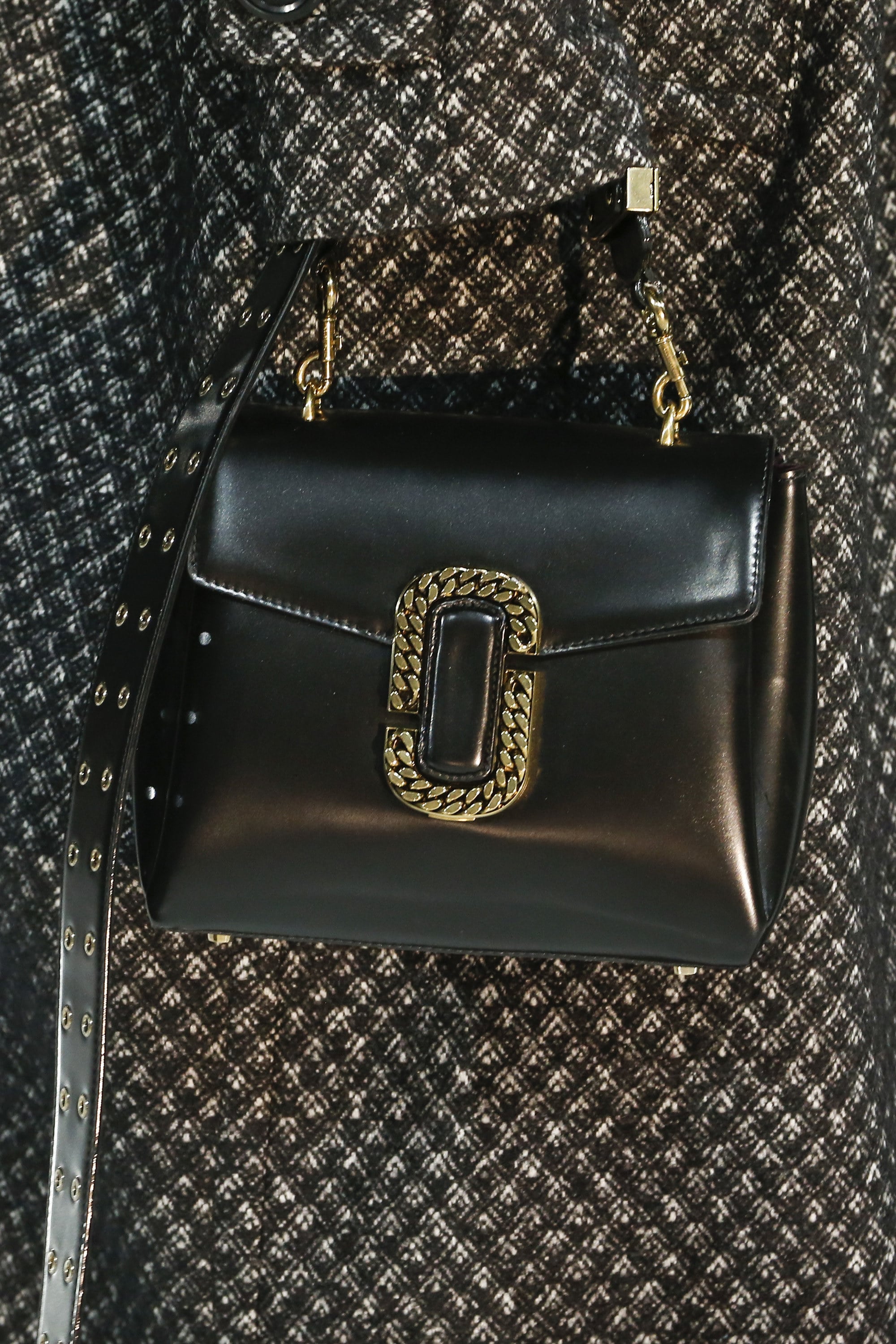
    About $325, the bag the brand is pictured as, more than any other. Saffiano leather, a faille lining, a dual top zipper and an included dust bag complete the package. At 7in by 2in by 4in, a phone, cards and keys is the honest capacity. At 57in with a 27in drop, the removable webbing strap is long enough to wear crossbody over a coat. The signature double-J hardware, plus the tricolor blocking, is the standout detail. The strongest single case for calling something the best marc jacobs bag, and the best all-day crossbody.

    3. The Canvas Large Tote Bag

    About $228, the one to buy when your bag doubles as a work bag. It measures 17in by 6in by 13in with a 9in handle drop, so a laptop and a lunch both fit. Cotton canvas, top zip, one interior zip pocket, two slip pockets, exactly as on the Medium. Online it is easy to miss, yet one catch matters more than any other here. The removable crossbody strap that the Crossbody, Small and Medium sizes carry is not included on the Large. Best for commuting on your feet, less good if you need both hands free.

    4. The Leather Medium Tote Bag

    About $498, and the version to pick if you want the shape to last. Full-grain leather, a chunky top zip, debossed branding and multiple inside pockets. Carry is flexible, because it has top handles plus an adjustable removable crossbody strap. From Black and Camel to Hot Pink, Pool and Daisy Yellow Multi is the current color list. To its credit, the brand states that leather is not completely resistant to scratches and scuffs. Anyone upgrading from canvas who plans to carry one marc jacobs bag for years is the buyer for it.

    5. Belted Sack Bag

    About $498, and fuss is the one thing it does not bring. A dust bag comes with it, over full-grain leather, a cotton twill lining and an internal zip pocket. You open it one-handed, because it closes with a magnet rather than a zip. A 12in handle drop from the adjustable belted shoulder strap sits high under the arm. The one detail that stands out is the slouch, since it collapses against the body instead of holding a rectangle. On packed transit a magnet is worth thinking twice about, but for hands-free days this is best.

    6. Scene Wallet on Chain

    About $228, and among serious evening options here nothing is smaller. The Scene, a 70-style family with its own place in the navigation, is the family it sits in. A slim metal chain carries it, not a handle and not a webbing strap. Leather, crinkle leather, suede and denim run across the line, so finishes vary by colorway. What stands out is the price, because most evening bags this size cost far more. A soft landing if you want a Scene bag before a bigger one, and best for evenings.

    7. The Canvas Crossbody Tote Bag

    About $150, and that is the cheapest way into The Tote Bag line. The same cotton canvas as its bigger siblings wraps the Crossbody, or Mini, size. It does include the removable webbing strap, unlike the Large, so it hangs across the body properly. An apparent error appears in the Crossbody row of the brand’s own Tote Bag Size Guide, where the inch and centimeter figures do not correspond. The product page figures, not the size guide, are what to use when judging capacity. Best under $200, plus the easiest gift on this list.

    8. Scene Large Shoulder Bag

    About $698, the dearest bag in the Shoulder Bags category. Because the category spans roughly $198 to $698, this lands right at the ceiling. A Grunge Faux Fur version appears near $648 for anyone who wants texture instead. No top handle gets in the way, because the Scene shape is soft and shoulder-carried. Very little logo is carried here, unusual for this brand, and that is the standout detail. For a buyer who wants the label to stay quiet, this is the best statement bag.

    9. The Cristina Tote

    About $398, and roughly $658 buys The Grommet Charm Cristina Tote instead. Even though it is shaped as a tote, the site files it under Shoulder Bags. That filing tells you it is meant to be carried on the shoulder. It sits in the structured leather camp rather than the soft canvas one. Structure is the standout detail, because it stands up on a desk instead of slumping. Best for office use, and the most grown-up pick among the top marc jacobs bags here.

    10. The Micro Crossbody Sack Bag

    About $198, and the Sack family starts no smaller than this. Cut down to essentials-only size, it keeps the slouchy 2022 runway silhouette. About $498 for the Belted Sack Bag is where the family climbs to from here, so this really is the entry point. It packs flat inside a suitcase, because it is soft rather than structured. The standout is the weight, or rather how little of it there is. Best when traveling light, especially as a second bag alongside something larger.

    11. Snapshot E/W Shoulder Bag

    About $358, and from the standard Snapshot it is a different proposition. E/W is the brand’s way of writing east-west, meaning the bag is wider than it is tall. That shape rides under the arm rather than hanging low on a strap. The top of the Snapshot band, which runs from about $325 to $358, is where it sits. Because it reads more considered than the boxy original, the proportion is the standout detail. Best for whoever likes the Snapshot idea but finds the classic too small.

    12. The Dakota Tote

    About $798, the dearest bag in the Totes category. Roughly $278 to $798 is the span of a category holding 47 structured styles. So this is the ceiling of the current assortment rather than a mid-range choice. A structured leather tote, carried by the top handles. That the brand does not go higher right now is what stands out, simply put. Worth trying the shape in a boutique first at this price, but it is the best splurge.

    All twelve, side by side

    With its price and the buyer it fits, each of the twelve picks appears again in the table. The ranks reflect breadth of appeal, so a low rank is not a criticism of the bag. Prices are US dollars on marcjacobs.com in the US as of September 2026. Check before you buy, because prices vary by country and currency and change without notice. Keep the receipt, and buy from the brand, a boutique, an outlet or an authorized retailer. The one-year manufacturing-defect warranty requires proof of purchase, and outlet stock is final sale.

    Position Bag model US price Who it suits
    1 The Canvas Medium Tote Bag $198 Starting out with Marc Jacobs
    2 The Snapshot $325 A crossbody for the whole day
    3 The Canvas Large Tote Bag $228 Getting to work on foot
    4 The Leather Medium Tote Bag $498 Years of carrying
    5 Belted Sack Bag $498 Going hands-free
    6 Scene Wallet on Chain $228 Nights out
    7 The Canvas Crossbody Tote Bag $150 Anything under $200
    8 Scene Large Shoulder Bag $698 Something that makes a statement
    9 The Cristina Tote $398 Days in the office
    10 The Micro Crossbody Sack Bag $198 Traveling light
    11 Snapshot E/W Shoulder Bag $358 An underarm shape
    12 The Dakota Tote $798 The splurge
  • N1 Bet Casino: How Quick-Decision Players Manage Risk in Short, Sharp Sessions

    There’s a particular kind of player who opens a casino lobby the way someone checks a sports score — briefly, deliberately, and with a clear exit in mind. They aren’t settling in for a marathon. They want a handful of decisions, a quick read on how the session is going, and a clean stop. That rhythm sits at the heart of how many people actually use N1 Bet, and it shapes everything from which games get opened first to when the deposit button gets tapped again.

    If you’ve spent any time around n1bet-top-au.com or similar platforms, you’ll recognize the pattern. Sessions measured in minutes, not hours. Bets placed with intent. And a running mental tally that decides whether the next spin happens at all. This piece is about that player — the short-session, controlled-risk type — and how the platform’s design either supports or complicates that style.

    Why the Short Session Format Suits This Lobby

    With more than 4,500 titles in the library, the biggest risk for a quick-session player isn’t losing money. It’s losing time deciding what to play. That’s why experienced short-session users tend to arrive with a plan already formed — one slot, one table game, maybe a single live dealer round, then out.

    The lobby’s breadth actually helps here once you know what you’re doing. Filters and categories let you jump straight to a provider you trust rather than scrolling. A player who favors Push Gaming or Nolimit City volatility knows exactly where to go. Someone in the mood for a calmer pace heads toward Quickspin or Thunderkick.

    • Open the site with a target game in mind, not a browsing mood
    • Set a session budget before the first spin, not after the third loss
    • Choose games with clear bet sizing so decisions stay quick
    • Decide the exit point in advance — win or lose

    That last point matters more than anything. Short-session players who thrive are the ones who treat the exit as part of the plan rather than a reaction to results.

    Reading the First Few Minutes

    There’s an unspoken ritual in quick-session play. The first two or three minutes function as a temperature check. A player might start with minimum bets on a slot to see how the base game feels, or take a low-stake seat at a blackjack table to gauge the pace of the dealer and the other players.

    This isn’t superstition. It’s calibration. If the session is going to be twelve minutes long, you want to know within the first two whether the game is behaving in a way you find engaging. On N1 Bet, where live casino quality gets consistent praise in user feedback, that calibration phase often happens at a live table rather than in a slot. The human element — a real dealer, real pacing — gives quick-session players a faster read on whether they want to stay.

    What a Typical Twelve-Minute Visit Looks Like

    Picture it. Login, straight to a saved favorite. Three or four spins at a modest stake. A small win triggers a brief stake bump, held for maybe five spins, then dropped back down. A loss streak of similar length ends the session entirely. No chasing, no reload. The player closes the tab and gets on with their day.

    That pattern repeats across visits — sometimes twice a day, sometimes once a week. The motivation isn’t a big score. It’s the small, contained thrill of a few well-judged decisions.

    Where Risk Control Actually Happens

    Controlled risk-taking sounds abstract until you watch it in practice. The short-session player makes dozens of micro-decisions in a very small window, and each one is a tiny risk assessment.

    • Do I raise my stake after this win, or bank it and continue flat?
    • Is this bonus round worth waiting for, or do I switch games?
    • Have I hit the loss limit I set five minutes ago?
    • Does a reload make sense, or does it break the session rule?

    The answers vary, but the discipline doesn’t. Players in this mode tend to use flat betting with occasional, deliberate escalations rather than aggressive martingale-style progression. They know that a short session amplifies variance — there’s no long runway to recover a bad run — so they keep stakes modest relative to their budget.

    Responsible gambling tools built into the account help here. Deposit limits and session reminders are the kind of features that short-session players actually use, because they align with a mindset that’s already about boundaries. The player who sets a limit isn’t restricting themselves. They’re formalizing a decision they’d already made.

    The Bonus Question for Quick Players

    Here’s where the short-session style runs into friction. The welcome offer — a 100% match up to €1,000 plus 150 bonus spins with code LETSGO — comes with 50x wagering. For a player who measures sessions in minutes, clearing that requirement is a long-term project, not a quick win.

    That doesn’t make bonuses useless to this player type. It just changes how they’re approached. Some quick-session users treat bonus funds as a separate, slower track — played in dedicated sessions with lower stakes and no expectation of a fast finish. Others ignore the big match entirely and focus on the smaller ongoing promotions.

    Smaller Promotions That Fit the Rhythm

    The Saturday spins and the no-deposit spin offers suit short visits better than a large matched bonus. They’re low-commitment, they don’t demand a long clearing grind, and they slot neatly into a ten-minute session. Mystery Drops campaigns and tournament draws add a bit of theatre without requiring extended playtime.

    For the quick player, the smart move is matching the promotion to the session length. A big bonus needs patience. A handful of free spins needs ten minutes. Know which one you’re signing up for.

    Mobile Visits and the Repeat Pattern

    Most short sessions happen on a phone. The mobile-optimized browser experience matters enormously here, because a clunky load time or a fiddly interface kills the whole rhythm. Players in this mode aren’t forgiving of friction — if the lobby takes too long to respond, the session simply doesn’t happen.

    Reviews of the N1 Bet casino app and mobile experience are generally positive, and that tracks with what this player type needs: fast login, quick navigation, and games that load without drama. The repeat visit pattern depends on it. A player who has a smooth three-minute session on Monday is far more likely to repeat it on Tuesday.

    There’s also a practical side to mobile play. These sessions happen in gaps — a commute, a coffee break, a few minutes before something else starts. The session length is often dictated by external circumstances rather than self-control. That’s not a flaw. It’s a natural boundary, and it reinforces the discipline the player was already practicing.

    When the Session Doesn’t Go to Plan

    Not every visit ends cleanly. A player plans eight minutes, hits a hot streak, and suddenly it’s forty. Or the opposite — a fast series of losses pushes someone past their intended loss limit, and the decision to stop becomes harder than it should be.

    This is where the platform’s friction points become relevant. Some users report delays or document requests around withdrawals, and for a short-session player who expects a quick cycle between deposit, play, and cashout, that friction is genuinely disruptive. Fast payouts on e-wallets and crypto are cited as a strength, which suggests the experience varies by method.

    The lesson for this player type is straightforward. Choose a withdrawal route that matches your pace. If you’re playing in short bursts and cashing out small amounts, an e-wallet or crypto option keeps the loop tight. A bank transfer doesn’t.

    Ready to Play on Your Own Terms? Claim Your Bonus Now!

    The short-session, controlled-risk approach isn’t about playing less. It’s about playing deliberately. Every visit has a shape — a start, a middle, and a defined end — and the decisions inside that shape are made with intent rather than impulse.

    N1 Bet’s library rewards that mindset once you know how to navigate it. Pick your game before you log in. Set your limits before the first bet. Decide your exit before you need one. And if a bonus fits the session, take it — but only if the terms match the time you’re actually willing to spend.

    The players who get the most from quick, sharp sessions are the ones who treat each visit as a complete unit rather than a fragment of something longer. Open, decide, close. That’s the whole method, and it works whether the session lasts five minutes or fifty.